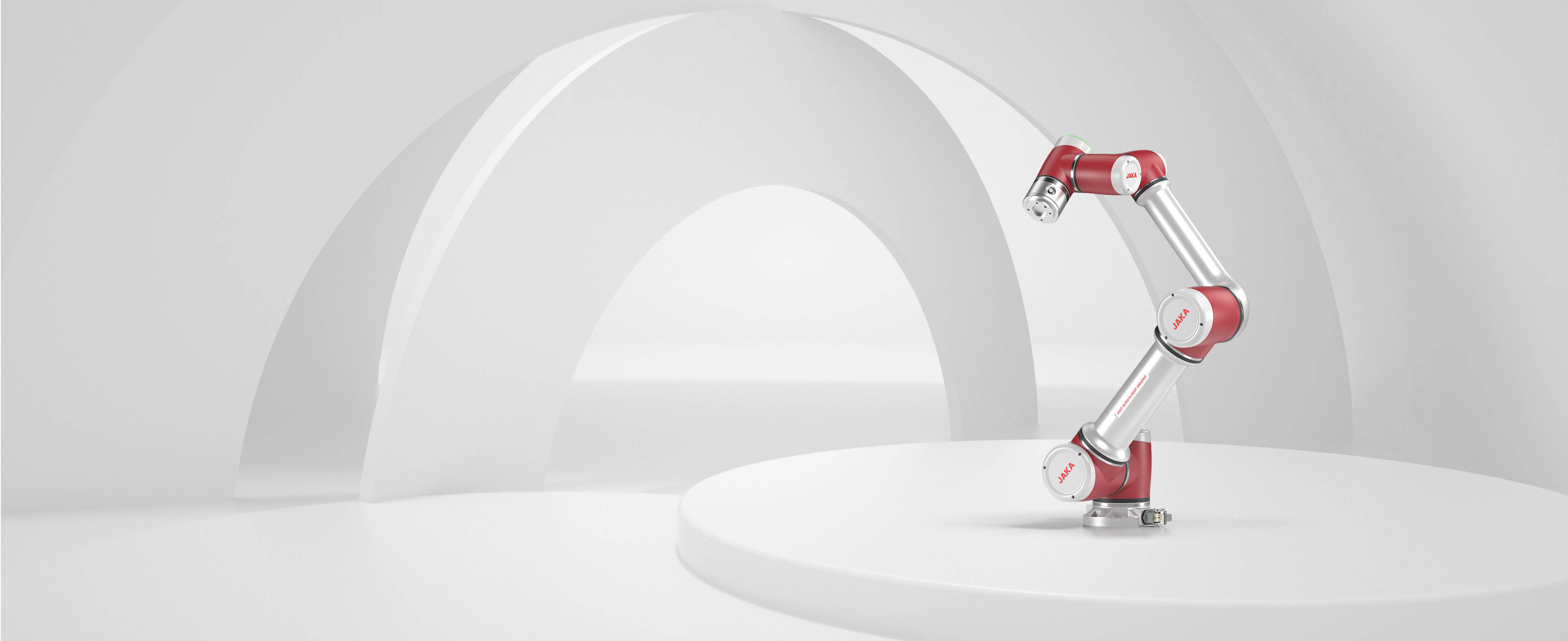
Picture this: a small manufacturing facility saturated with complex tasks and a critical workforce shortage. In today’s market, 82% of manufacturers are seeking automation solutions to stay competitive—so how can a flexible robot arm transform your operations? The innovative design of flexible robot arms allows for both versatility and precision, reflecting a shift from traditional methods. No longer is the standard fixed robotic arm the sole option; instead, a small industrial robot arm can adapt to a variety of tasks, streamlining production and reducing labor costs.
Challenges with Traditional Solutions
I vividly recall a conversation with a production manager who expressed frustrations over rigidity in traditional robotic systems. The operation spent countless hours reprogramming fixed arms for new tasks—time that could have been invested elsewhere. The hidden pain point here is clear: traditional solutions simply can’t keep pace with the rapid changes in product demand and design. Flexible robot arms mitigate this issue by offering agility right where it’s needed most—on the shop floor.
What Makes Flexible Robot Arms Stand Out?
Compared to their traditional counterparts, flexible robot arms are designed to navigate complex tasks without the cumbersome need for constant adjustments. With built-in intelligence, these systems can self-calibrate and switch functions, making them unrivaled in efficiency. It’s not just about speed; it’s about getting it right every single time. This advantage brings significant value to SMEs struggling to maintain production quality amid evolving market trends.
A Look Ahead: The Future of Automation
I firmly believe the future of manufacturing lies in the integration of flexible robot arms. As industries begin to embrace Industry 4.0, we will see a dramatic increase in demand for adaptable solutions. These small industrial robot arms are not just tools; they are vital components of a connected production line. Today’s flexibility equates to tomorrow’s competitiveness, a sentiment echoed in various case studies highlighting productivity leaps by over 30% post-implementation.
Real-world Impact and Market Trends
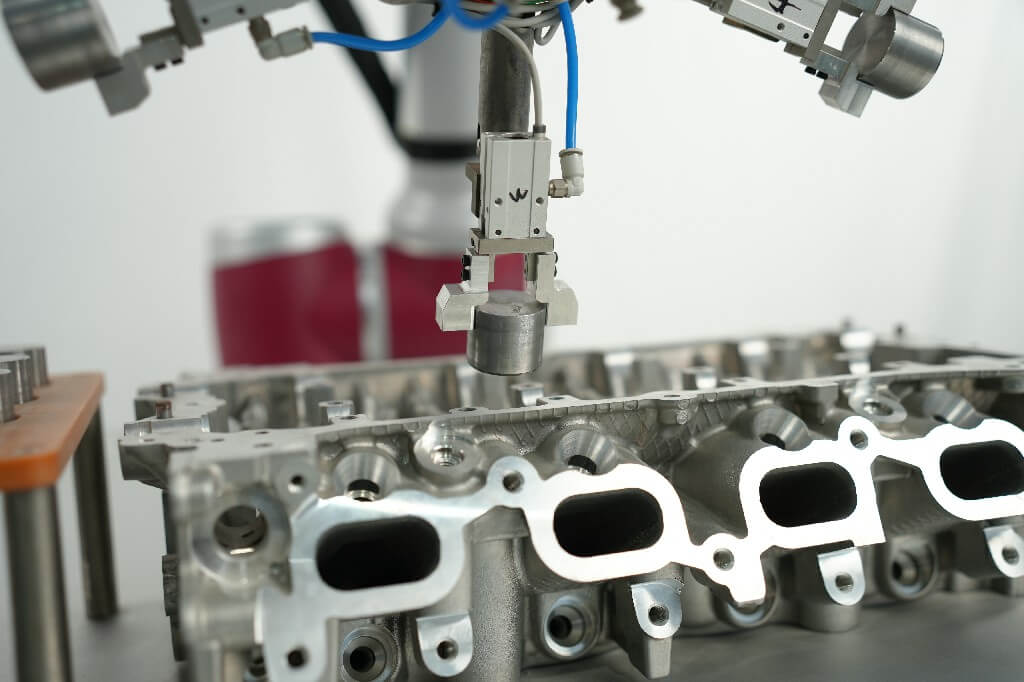
The implications of adopting flexible robot arms go beyond mere efficiency. They also contribute to a safer working environment. I’ve noted first-hand how businesses are reporting fewer workplace injuries thanks to reduced manual lifting and repetitive tasks. It’s a game-changer. So, what’s truly next for those willing to invest in such technology? An agile production phase, where adaptability is no longer an afterthought but a core requirement. As we explore further, I see this technology serving an array of sectors—from automotive to electronics, demonstrating its universal appeal.
Final Thoughts: Evaluating Your Path to Automation
small industrial robot arm represents more than just enhanced productivity; it’s about future-proofing your operations.
Remember, the tide is turning in industrial automation, and companies like JAKA are leading the charge towards innovative solutions. Let’s transform the way we think about manufacturing forever.